A hydrangea (Hydrangea spp.) is a deciduous or evergreen shrub, small tree, or climber in the Hydrangeaceae family, native mainly to Asia and the Americas, renowned for its large, showy flower clusters that change color based on soil pH in certain species. These versatile plants, growing 1–5 m tall (or climbing to 20 m), feature opposite, serrated leaves and terminal corymbs or panicles of tiny fertile flowers surrounded by sterile bracts forming mophead, lacecap, or cone shapes in whites, pinks, blues, purples, and bicolors.
Botanical Characteristics
Hydrangeas produce woody stems with opposite, ovate to elliptic leaves (5–25 cm long), often hairy underneath, turning colorful in autumn for some species. Inflorescences are cymose: mopheads (rounded, sterile-dominated), lacecaps (flat, fertile-centered), or panicles (elongated); individual flowers have 4–5 sepals, 4–10 petals, 8–10 stamens, and a superior ovary yielding dry capsules.
- Color mechanism: In H. macrophylla, acidic soil (pH <6) yields blue (aluminum uptake), alkaline (>7) pink; others fixed (e.g., H. paniculata white-to-pink).
- Growth habit: Multi-stemmed shrubs or vines; medium-coarse texture.
Taxonomy and Classification
Hydrangea encompasses ~70–80 species, grouped by form: Bigleaf (H. macrophylla, mophead/lacecap), Panicle (H. paniculata, cones), Smooth (H. arborescens, snowballs), Oakleaf (H. quercifolia), Climbing (H. anomala petiolaris), Mountain (H. serrata). Hybrids like Endless Summer rebloom on new/old wood.
Cultivation Practices
Hydrangeas prefer partial shade to full sun (species-dependent), moist, well-drained, organic-rich soil; zones 3–9 varying by type; prune post-bloom or dormant. Amend soil for color control.
- Maintenance: Mulch for moisture; deer-resistant in some.
- Challenges: Powdery mildew, aphids—ensure air flow.
Floristry and Economic Uses
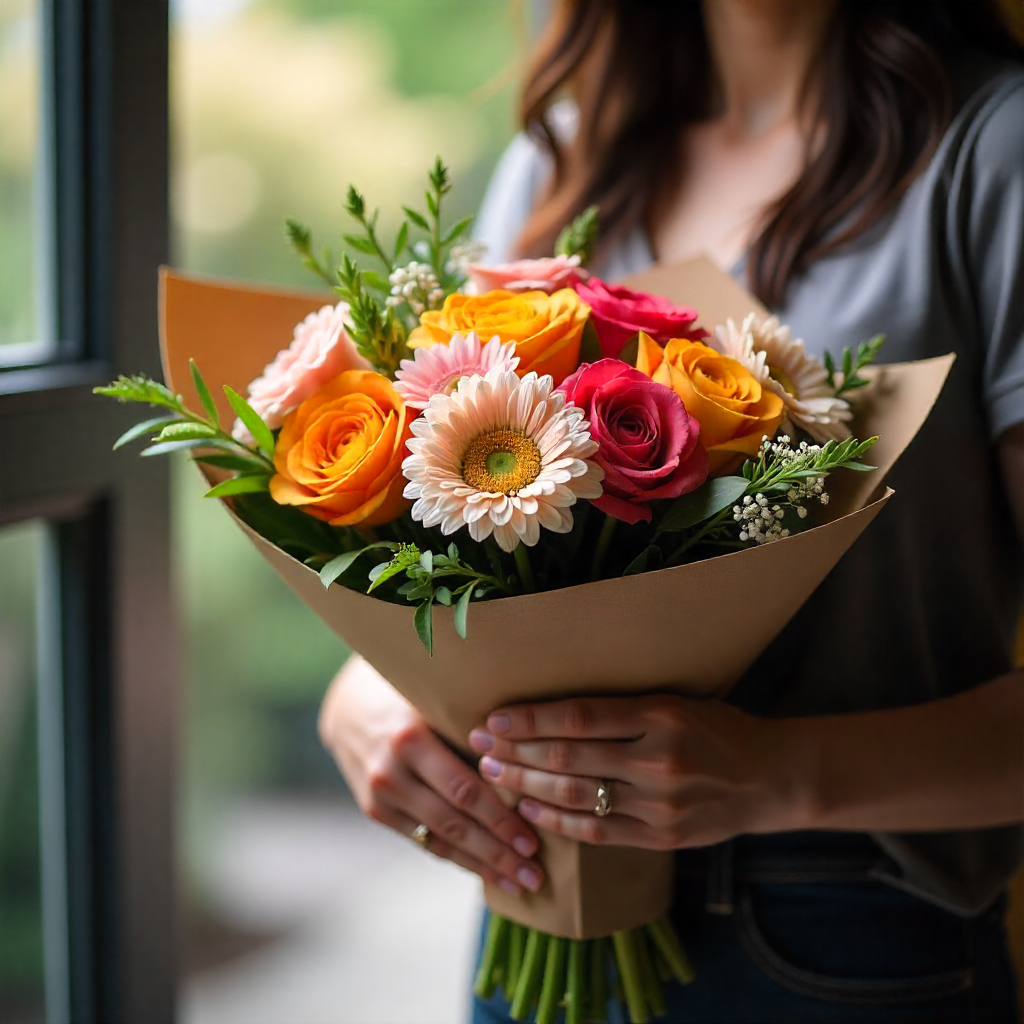
Cut flowers (vase life 5–10 days); popular in bouquets for volume.
Cultural and Symbolic Significance
Greek “water vessel” nods to seed capsules; Japanese ajisai festivals celebrate.